Call us now :08071930317
 Send Inquiry
 Send Inquiry
Lead Calcium Zinc Tin
MOQ : 500 Kilograms,
Lead Calcium Zinc Tin Specification
- Storage
- Store in a cool, dry place away from acids and moisture
- Density
- 11.34 Gram per cubic centimeter(g/cm3)
- Product Type
- Alloy
- Usage
- Widely used in lead-acid battery manufacturing
- Structural Formula
- Alloy system: Pb-Ca-Zn-Sn
- Solubility
- Insoluble in water
- Properties
- High corrosion resistance, high strength, excellent conductivity, environmental stability
- Poisonous
- YES
- Melting Point
- 327°C to 330°C
- Molecular Formula
- Pb-Ca-Zn-Sn
- HS Code
- 78019910
- Appearance
- Silvery Grey
- Application
- Battery grids, cable sheathing, chemical containers
- Physical Form
- Solid
- Molecular Weight
- Not explicitly defined - alloy blend
- Taste
- Odorless
- Grade
- Industrial
- Purity
- >99%
- Ph Level
- Neutral
- Ingredients
- Lead, Calcium, Zinc, Tin
- Shape
- Ingot
- Shelf Life
- Stable under proper conditions
- Packaging Type
- Packed in wooden crates or as specified
- Mechanical Strength
- High, suitable for grid manufacturing
- Compatibility
- Compatible with other battery components
- Handling Precautions
- Use gloves and masks, avoid inhalation
- Color
- Silver-grey metallic
- Thermal Conductivity
- 37 W/mK approx.
- Surface Finish
- Smooth, bright
- Toxicity Level
- High - contains lead
- Corrosion Resistance
- Enhanced due to calcium and tin
- Hazards
- Lead is toxic, appropriate safety measures required
- Electrical Conductivity
- Excellent for grid structures
Lead Calcium Zinc Tin Trade Information
- Minimum Order Quantity
- 500 Kilograms,
- Supply Ability
- 1000 Kilograms, Per Month
- Delivery Time
- 1-7 Days
Lead Calcium Zinc Tin About
As a chief exporter and supplier of industrial chemicals, we are engrossed in offering Metal Base PVC Heat Stabilizers. The provided stabilizers are basically used in PVC applications such as pipes, cables, window profiles and many others. At our vendors' modern processing unit, these stabilizers are processed with the help of quality-assured raw materials and modern methodology as per the international quality standards. Furthermore, we are offering these Metal Base PVC Heat Stabilizers to our clients in several packaging options at a marginal prices.
Features:
-
Exact composition
-
Longer shelf life
-
Stable chemical properties
-
Low mixing ratio
Optimized Alloy for Industrial Applications
Lead Calcium Zinc Tin alloy is engineered for durability, conductivity, and environmental stability. Its enhanced corrosion resistance and mechanical strength make it ideal for use in lead-acid battery grids and cable sheathing. The alloys customizable composition allows users to tailor performance attributes to specific requirements, ensuring reliability in high-demand environments.
Health and Safety Precautions
Working with this alloy necessitates strict safety protocols due to its lead content. Operators must use gloves and masks, avoid inhaling dust, and handle all materials in well-ventilated spaces. The product should be stored in cool, dry locations away from acids and moisture to maintain stability and maximize shelf life.
Packaging and Supply Solutions
The alloy is provided in solid, odorless ingots, packed securely in wooden crates or according to customer specifications. Exported and supplied by India-based traders, each consignment balances product integrity with ease of transportation, catering to both local and international buyers needs.
FAQs of Lead Calcium Zinc Tin:
Q: How is Lead Calcium Zinc Tin alloy used in battery manufacturing?
A: This alloy is primarily used in grid manufacturing for lead-acid batteries, owing to its high mechanical strength and excellent electrical conductivity. The enhanced corrosion resistance provided by the calcium and tin components extends the service life of the batteries, making it a preferred choice in the industry.Q: What safety measures must be followed when handling this alloy?
A: Because the alloy contains lead, users should wear gloves and masks to prevent direct contact and inhalation of dust. It is vital to handle the alloy in a well-ventilated area and follow all relevant health and safety protocols to minimize toxicity risks.Q: When is the alloys composition customized for buyers?
A: Customizing the composition ratios of Lead Calcium Zinc Tin is done upon buyers requests to meet specific performance or regulatory requirements. This process allows manufacturers to optimize the product for particular applications, such as improved corrosion resistance or strength.Q: Where should Lead Calcium Zinc Tin alloy be stored to ensure stability?
A: The alloy should be stored in a cool, dry place, away from sources of moisture and acids. Proper storage maintains its physical and chemical stability, ensuring the products performance throughout its shelf life.Q: What benefits does the alloy offer over traditional lead alloys?
A: Compared to standard lead alloys, the addition of calcium, zinc, and tin significantly improves corrosion resistance, mechanical strength, and environmental stability, resulting in longer-lasting battery grids and reliable performance in industrial environments.Q: What is the process for exporting and supplying this alloy?
A: Exporters and suppliers in India package the alloy in wooden crates or as specified and handle all necessary documentation for safe and compliant international transport. The alloy is suited for both domestic and global markets, with quality and composition tailored to individual buyer requirements.
Tell us about your requirement

Price:
Quantity
Select Unit
- 50
- 100
- 200
- 250
- 500
- 1000+
Additional detail
Mobile number
Email

More Products in PVC Chemicals Category
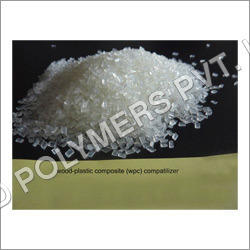
PVC Compatilizers
Price Range 200.00 - 500.00 INR / Kilograms
Minimum Order Quantity : 500 Kilograms
Purity : > 99%
Ph Level : Neutral (pH 7)
Ingredients : Polyvinyl chloride, compatilizing agents
Shape : other, Irregular granule or powder
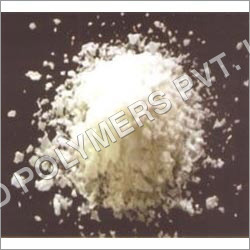
PROCESSING AIDS (ALL TYPE)
Price Range 200.00 - 500.00 INR / Kilograms
Minimum Order Quantity : 500 Kilograms
Purity : >99%
Ph Level : Neutral (6.57.5)
Ingredients : Highly refined polymeric materials
Shape : other, Granular/Powder
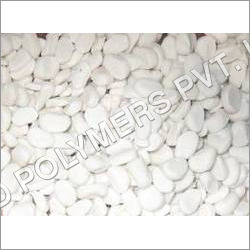
Pvc Heat Stabilizers(FY 4A24 QY 407A)
Price Range 200.00 - 500.00 INR / Kilograms
Minimum Order Quantity : 500 Kilograms,
Purity : >99%
Ph Level : 78
Ingredients : Calcium and zinc based compounds, lubricants, organic stabilizers
Shape : other, Powder
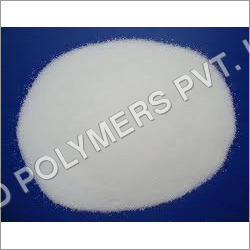
PVC Foaming Regulator(HL-90,HL-100)
Purity : >99%
Ph Level : Neutral (approx 7)
Ingredients : Acrylic polymerbased composition
Shape : Granular or powdered form, other

 Send Inquiry
Our Products
- PVC Chemicals
- WPC Additives for Foam Boards
- WPC Board Machine
- PVC Additives- All Types
- CPVC Machines
- Rike's Products
- PVC Profile Machines
- PVC Processing Aids
- PVC Foam Board Machines
- SPC Machines
- PVC RESIN-LOW K/Paste PVC
- CPVC Pipe Machine
- SPC Tiles v/s PVC Flooring
- PVC Tiles and Laminates Machines
- Formulation Support of WPC

B-17, DSIDC Complex, Industrial Area, Kirti Nagar, New Delhi - 110015, India

Mr A K Sinha
(Director)
Mobile :08071930317
 Send Inquiry
 Send SMS
Developed and Managed by Infocom Network Private Limited.
